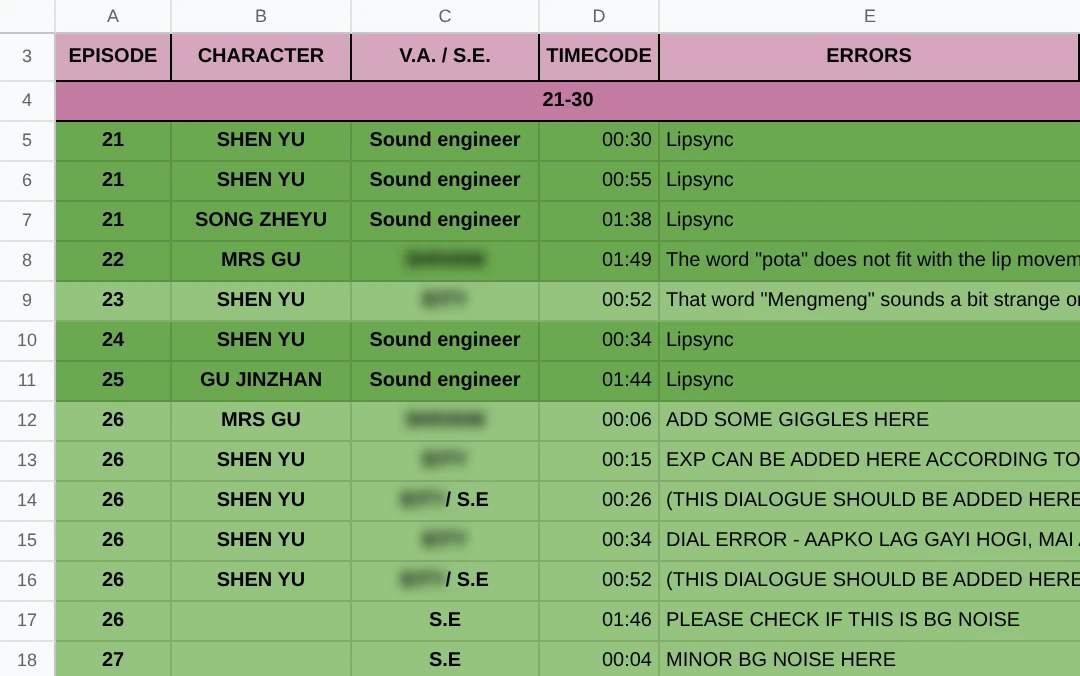
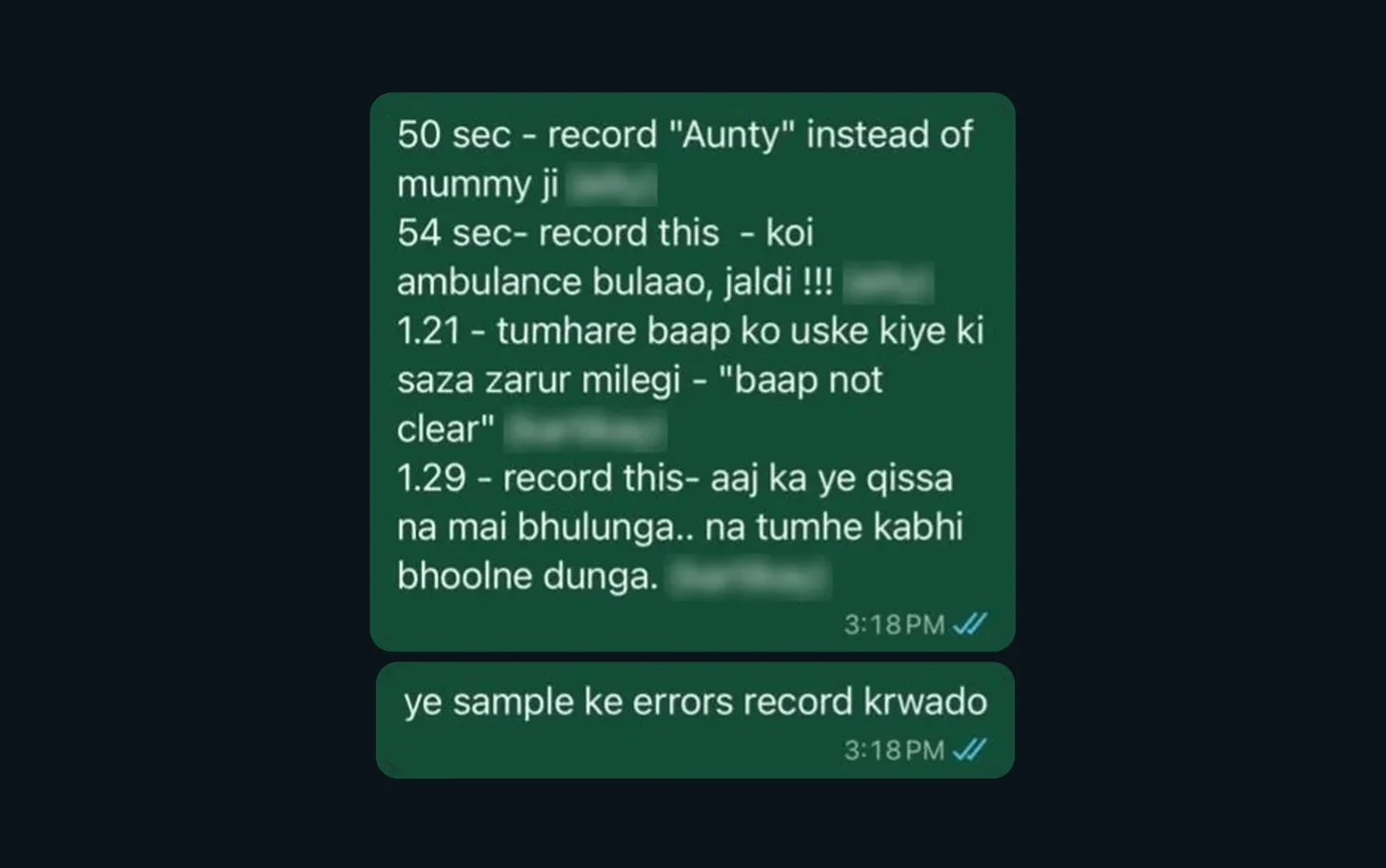
Every dubbing project pulls in people from outside the studio. There's the company that ordered the dub, its vendors, and freelance proofreaders and voice artists. Before Sorbit, the work moved between them on Drive links, WhatsApp messages and spreadsheets. Nobody had the full picture, so the project manager kept chasing people for updates.
The obvious fix was to bring everyone into one place. But a show is confidential until it launches and nobody wants a leak. Client contracts say only people inside the workspace can see the material. So one place couldn't mean everyone sees everything.
The usual way to split access is by who people are, like client, vendor or freelancer. In dubbing that falls apart on the first real project. A studio is a vendor to the company that hires it and a client to the freelancers it hires. And whoever buys Sorbit owns the workspace. If a client bought it and invited its studio, the studio would become an outsider in its own work.
So access follows what people do, not who they are. One team does the work. Everyone else comes in to send files, review or approve.
A role says what you can do, not who you are.
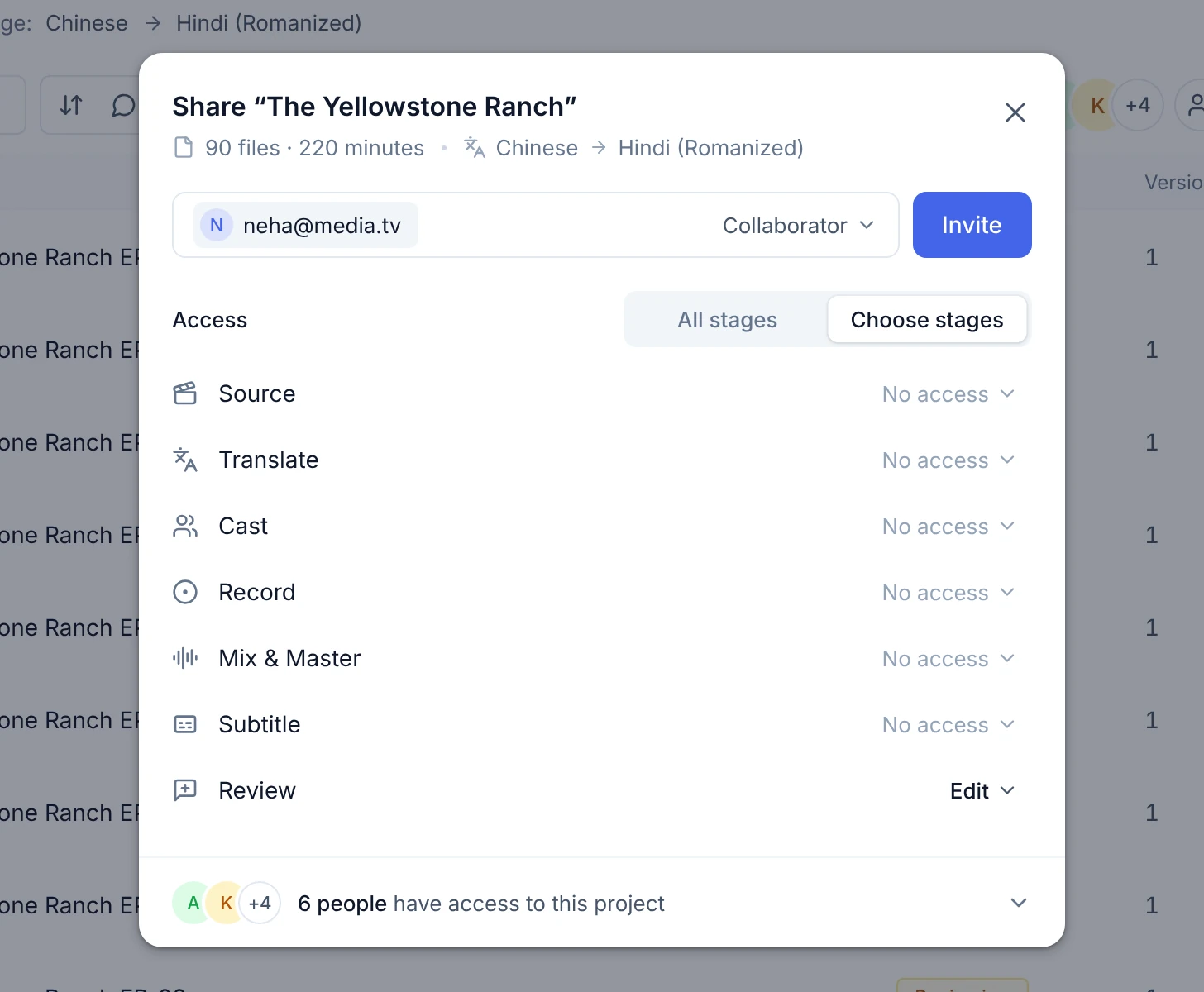
Access is given stage by stage as view, comment or edit. A client can comment on Review without ever opening the script. People are invited to the workspace once instead of project by project. And whoever holds the videos can upload them through a link with no sign-up. The link can add files but never show them. Sending files needs no account, but seeing them does.
With everyone's work in the same project, the project manager doesn't chase anyone anymore. They can see every stage because every stage happens in Sorbit.